Things to Do in Djibouti in November
November weather, activities, events & insider tips
Low Season · Budget Friendly
November Weather in Djibouti
Long-run averages for November in Djibouti
86°F (30°C)
High Temp
77°F (25°C)
Low Temp
1.2 inches (30 mm)
Rainfall
65%
Humidity
9
Sunny-Day UV
⚠ Flash flooding risk in wadis and low-lying desert tracks after rain. November's rainfall is modest at 30 mm (1.2 inches), but desert cloudbursts can drop that total in a single hour, turning dry streambeds into fast-moving channels. The road to Lac Abbé and certain sections of the Lake Assal approach cross wadi beds that become impassable within minutes of heavy rain. Local drivers know which routes to avoid and when to wait it out. This is a strong argument against attempting these drives independently.
⚠ Heat-related dehydration remains a real concern even in the cooler season. At 30°C (86°F) with 65% humidity, physical exertion on exposed terrain like the Lake Assal salt flats or the volcanic landscape around Lac Abbé can cause fluid loss faster than most visitors anticipate. The salt-laden air accelerates dehydration, and the wind can mask how much you are sweating. Carry at least 3 litres (0.8 gallons) of water per person for any full-day excursion. Drink before you feel thirsty.
Making the most of November in Djibouti? Browse tours and activities in Djibouti on GetYourGuide.
Is November Right for You?
Weigh the advantages and considerations before booking
Advantages
- + November kicks off Djibouti's cool season. Highs hover around 30°C (86°F), a relief from the brutal 41°C (106°F) that turns July and August into endurance tests. Outdoor excursions to Lake Assal or the Gulf of Tadjoura coast finally feel pleasant. You can walk Djibouti City's Quartier Européen in the afternoon without drenching your shirt in thirty seconds.
- + Whale shark season opens in the Gulf of Tadjoura around late October and runs through February. November hits the sweet spot before crowds arrive. Juvenile whale sharks feeding between Tadjoura town and the Ghoubbet inlet are calmer and more abundant early on. Boats from the old port carry far fewer passengers than they will by January.
- + Djibouti never sees mass tourism. November is quiet. Lake Assal's surreal white salt crust will likely be yours alone. The snorkeling reefs around Moucha and Maskali islands feel private, a rarity on the Indian Ocean coast. Rooms sit wide open. Negotiating better rates on multi-day excursions is easy when operators have empty calendars.
- + The November light is exceptional. Summer haze has cleared. Humidity holds at 65%, manageable. The low-angle afternoon sun paints volcanic rock around Lac Abbé and the Ghoubbet al-Kharab inlet in copper and rust. Photographers rejoice. Sunrise over the Gulf of Tadjoura, viewed from the corniche road, catches the water at an angle that turns it to hammered silver.
Considerations
- − Djibouti ranks among East Africa's most expensive destinations year-round. Nearly everything is imported. Foreign military bases have pushed accommodation and dining costs well above neighboring Ethiopia or Somaliland. November changes nothing. Budget travelers will struggle to stretch money here the way they can elsewhere in the Horn of Africa.
- − Tourism infrastructure is sparse. Outside Djibouti City, paved roads vanish into rough tracks demanding a 4x4 and a driver who knows the terrain. Lac Abbé sits roughly 160 km (100 miles) southwest of the capital, several hours over unpaved volcanic ground. The Day Forest lies at around 1,500 m (4,920 ft) on roads generously called gravel. Independent travel is technically possible. Practically, it is difficult without local guide and vehicle.
- − November brings occasional short, sharp showers, about 30 mm (1.2 inches) monthly. That sounds minor until you witness a desert cloudburst fill a dry wadi. Flash flooding is a real hazard in low-lying areas and along the Lac Abbé road. Twenty minutes of rain can transform a flat gravel track into a temporary river. Local drivers know which routes to avoid afterward. Going without one is unwise.
Short on time in November? See day trips around Djibouti on GetYourGuide.
Best Activities in November
Top things to do during your visit
Whale Shark Encounters in the Gulf of Tadjoura
November opens Djibouti's whale shark season. It may be the best month of the entire run. Juvenile sharks, some 4 to 7 metres (13 to 23 feet) long, feed on plankton blooms in warm shallows between Tadjoura town and the Ghoubbet inlet. Early season mornings bring glassy calm water. You will likely share the water with only a handful of other snorkelers. By December and January, visitor numbers swell. Gulf water temperature holds around 28°C (82°F) in November. A rash guard suffices, though a thin wetsuit helps for extended sessions. The experience humbles. Treading deep blue water while a minibus-length shark glides beneath you, spotted skin catching filtered sunlight, rewires your sense of scale. Boats depart early morning when seas are calmest and sharks surface most actively.
Booking Tip: Book two to three weeks ahead through licensed marine operators. Confirm your excursion includes a certified guide who enforces approach distances. November availability is usually solid. The best captains have annual regulars who rebook early. Check current guided options in the booking section below.
Lake Assal Salt Flat Expedition
Lake Assal sits 155 metres (509 feet) below sea level. This is Africa's lowest point and Earth's third-lowest. November makes visiting a pleasure, not an ordeal. Summer heat radiating from the salt flat distorts the air above it. Standing on the crust feels like standing on a hot skillet. At 30°C (86°F), November remains warm but tolerable. The lower sun angle makes salt crystals gleam in whites and pale blues, colors that wash out to flat glare under summer's overhead blast. The lake is ten times saltier than the ocean. Floating becomes involuntary. You cannot sink. Your body bobs like a cork, strange and slightly unnerving. The drive from Djibouti City takes two hours through volcanic desert resembling Mars more than East Africa. Black basalt fields yield suddenly to the white salt flat expanse. Afar salt caravans still work the lake's edges, chipping blocks for camel transport along centuries-old trade routes. The mineral smell bites sharp and clean, like opening a fresh bag of sea salt.
Booking Tip: Full-day guided excursions are the standard format and typically include the drive, a swim stop, and time to walk the salt flats. Book through licensed operators at least a week ahead. Current options appear in the booking section below.
Lac Abbé Overnight Camping and Chimney Formations
Lac Abbé is one of those places that makes you question whether you are still on the same planet. Hundreds of limestone chimneys, some reaching 50 metres (164 feet), rise from a flat alkaline lake bed near the Ethiopian border, venting steam in the early morning cold when the temperature differential is strongest. November is arguably the ideal month for the overnight trip: warm enough that sleeping under the stars is comfortable, cool enough that the long 4x4 drive across volcanic terrain is not the sweat-drenched ordeal it becomes in the hotter months. Flamingos congregate on the shallow water in loose pink-and-white clusters, and the silence at night, broken only by occasional wind through the chimneys, is absolute in a way that city dwellers almost never experience. The landscape was used as a filming location for the original Planet of the Apes, and standing among the chimneys at dawn, surrounded by steam and the faint sulfur tang of geothermal vents, you understand why. The Afar people who live near the lake keep goat herds and maintain seasonal encampments, and a respectful visit with a knowledgeable guide provides context for a way of life that predates national borders by millennia.
Booking Tip: This requires a 4x4 vehicle and a guide who knows the unmarked routes. Most operators run it as an overnight with camping gear provided. Book at least two weeks ahead, as the logistics of food, water, fuel, and camping supplies for the remote location require planning. Reference the booking section below for organized options.
Moucha and Maskali Island Snorkeling
These two small islands sit in the Gulf of Tadjoura about forty-five minutes by boat from the capital, and their fringing coral reefs are in surprisingly good condition given how little attention they receive internationally. November water temperatures hover around 28°C (82°F), visibility tends to be excellent before the winter plankton blooms thicken the water later in the season, and the reef fish population includes parrotfish, butterflyfish, moray eels, and the occasional reef shark. Moucha has a few basic shelters and a beach of fine white sand that drops off into turquoise water so clear you can see the bottom at 10 metres (33 feet). Maskali is wilder, less visited, and its mangrove fringe hosts juvenile fish nurseries. The boat ride itself is part of the experience: the water shifts from the murky grey-green near the port to deep indigo within minutes, and dolphins are common along the crossing. November brings calm seas most days, making the crossing smooth and the snorkeling conditions close to optimal. Bring your own mask and fins if you are particular about fit, as rental gear ranges from acceptable to questionable.
Booking Tip: Day trips depart in the morning from the main port and return by late afternoon. Book a few days ahead through marine tour operators. Group sizes are small by default given the destination's low tourism volume. Check current island excursion availability in the booking section below.
Day Forest National Park Hiking
Djibouti's only national park sits in the Goda Mountains at roughly 1,500 metres (4,920 ft) elevation, and it contains something that seems impossible given the arid lowlands: a genuine cloud forest of ancient juniper trees, some estimated at several hundred years old. The Forêt du Day is an ecological relic, a remnant of forests that once covered much of the Horn of Africa before the climate shifted, and hiking through it in November, when the lowlands have cooled to tolerable and the highlands are pleasant, is one of Djibouti's most underrated experiences. The air up here is noticeably cooler and carries the resinous scent of juniper, a stark contrast to the salt-and-diesel baseline of the capital. The Djibouti francolin, a bird found nowhere else on Earth, lives in this forest, and early morning hikers have a decent chance of hearing its call echoing through the mist. The road up from Tadjoura town involves switchbacks carved into volcanic rock with views down to the Gulf that become progressively more dramatic with elevation. November's moderate temperatures make the uphill hiking sections manageable, whereas the same trails in summer would be punishing even at altitude.
Booking Tip: Arrange a guide and 4x4 transport through operators in Djibouti City or Tadjoura. The park itself has minimal facilities, so bring water, sun protection, and sturdy hiking footwear. A full-day excursion is standard. Check the booking section below for guided nature tour options.
Khor Ambado Beach and Coastal Exploration
Khor Ambado, about 15 km (9.3 miles) from the center of Djibouti City, is where locals go when they want to swim and eat by the water, and joining them on a Friday afternoon gives you a better sense of everyday Djiboutian life than any guided tour. The beach sits in a sheltered cove backed by dark volcanic rock, the sand is coarse and golden, and the water is bath-warm in November, calm enough for children and strong enough swimmers to reach the rocky outcrops offshore. Families set up under acacia shade, grills appear loaded with fresh fish bought that morning at the central market, and the smell of charcoal smoke and cumin-rubbed red snapper carries across the sand. The swimming here feels different from the islands: the cove is more enclosed, the water shallower, and the rocky bottom supports sea urchins and small reef fish visible without a mask. It is not pristine in the resort sense, and the facilities are basic. But it is real, and the atmosphere on a warm November evening, with the sun dropping behind the volcanic hills and the sound of Somali pop music drifting from someone's car speakers, is lovely.
Booking Tip: Getting here is straightforward. Grab a taxi from Djibouti City and head out on your own. Pack your own food and water. Vendor availability is hit or miss. No need to book ahead. Go Friday or Saturday for the real local buzz. You'll find coastal excursion packages that include Khor Ambado in the booking section below.
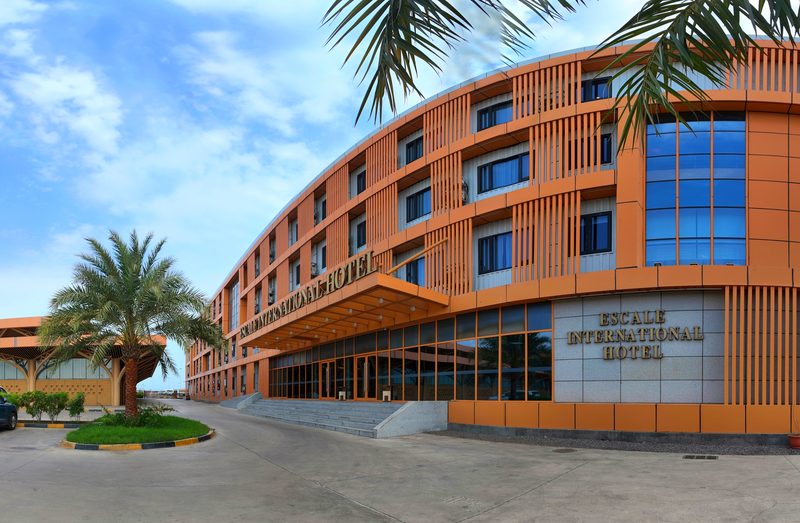
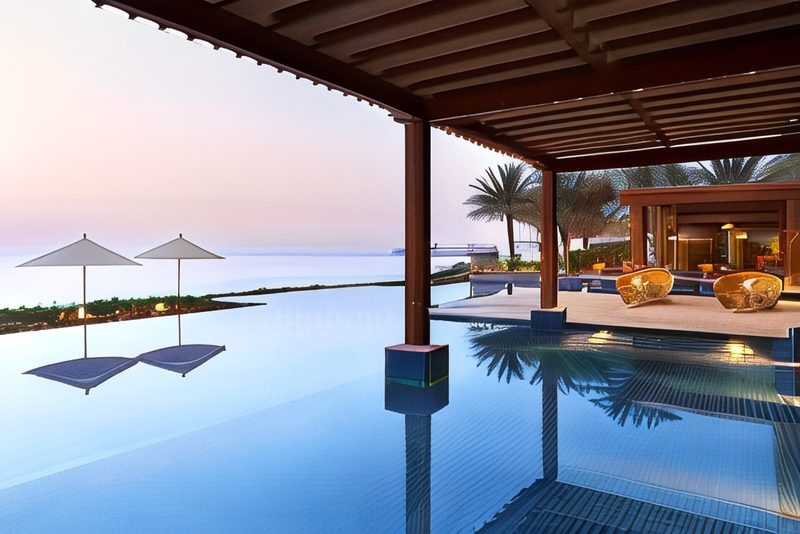
Where to Stay in Djibouti in November
Hand-picked hotels across price tiers for November travellers.
Packing Checklist
Bookmark this page — your progress is saved between visits
Need the full list with shopping links?
Climate-specific gear, brand recommendations, and what to leave at home.
View Djibouti Packing List →Essential Tips
Insider knowledge and common pitfalls to avoid
Insider Knowledge
Skip the guidebook restaurants. The best meal in Djibouti City is fah-fah at the small Afar-run stalls. Find them near the central market. Go early morning. The goat broth is loaded with tender meat, chili, and torn lahoh flatbread. The bread soaks up the peppery liquid. Lahoh is Djibouti's answer to Ethiopian injera. It is tangier and thinner. Spongy and slightly sour. Cooked on a wide flat griddle. Eat it fresh. Tear pieces with your right hand. Scoop the stew. This is the most authentic food experience in the country. Skoudehkaris is the national comfort food. Spiced rice and meat. It appears at lunch across the city. Older spots in the Quartier Africain do it richer and spicier. Hotel-area versions are milder.
Khat arrives fresh from Ethiopia every afternoon. By mid-afternoon, social life shifts to the mabraz. Friends gather. They chew bitter green leaves. They drink sweet tea. They talk for hours. You will get invited. Accepting is courtesy. It opens doors to genuine conversation. The taste is astringent. Mildly bitter. The effect is like strong coffee. The ritual matters more than the leaf. Declining politely is fine. But understand this: khat is central to Djiboutian life. Not marginal. This helps you read the country's rhythms.
Friday is the day off. Not Sunday. The country shuts down from late morning through afternoon. Prayers and rest. Plan excursions for Saturday through Thursday. Use Friday like locals do. Head to Khor Ambado or Siesta Beach. Eat grilled fish. Swim. Accept that nothing else happens. Do not try to arrange transport on Friday afternoon. Do not finalize tours. Do not visit offices. You will get nowhere.
French colonial influence runs deeper than buildings. Djibouti City bakeries turn out croissants and baguettes. They would pass in mid-tier Paris. Morning coffee at older cafes along Place du 27 Juin is strong and dark. Served in small cups with sugar cubes on the side. The best breakfast is simple. A flaky croissant. A double espresso. The morning breeze off the Gulf before heat builds. This is where you hear the linguistic mix. French, Somali, Afar, and Arabic. Four languages thread through single conversations. Speakers switch without noticing.
Avoid These Mistakes
Underestimating the cost. Travelers who have been elsewhere in East Africa arrive expecting Ethiopian or Kenyan price levels and find that Djibouti's accommodation, food, and organized excursions cost significantly more. Nearly everything is imported through the port, the foreign military bases have inflated the local economy, and the tourism industry is small enough that operators do not compete on price. Budget accordingly. Book your major excursions before arrival so that the total cost does not catch you off-guard.
Trying to do everything independently. Djibouti is not a country where you rent a car at the airport and drive yourself to the attractions. The roads outside the capital are unpaved volcanic tracks with no signage, GPS coverage is unreliable, fuel stations outside the city are scarce, and the distances are deceptive on a map. Lake Assal, Lac Abbé, and the Day Forest all require a knowledgeable local driver with a proper 4x4. Attempting these routes alone risks getting stuck in remote terrain with no mobile signal and no passing traffic. Hiring a guide and vehicle is not optional. It is logistically essential.
Photographing military installations or port facilities. Djibouti hosts French, American, Chinese, and Japanese military bases, and the port is strategically sensitive. Taking photos anywhere near these areas, even casually, can result in your camera being confiscated and a lengthy conversation with security personnel. The same applies to government buildings and police stations. When in doubt, ask before you point your lens. Keep your camera down entirely when passing any facility with a fence and uniformed guards.
Ready to plan your trip to Djibouti?
Now that you've got the research covered, here's where to go next.
Explore More Activities in Djibouti
Didn't see anything interesting yet?
Browse Viator's full catalog of tours, day trips, food experiences, and private guides in Djibouti.
See All Djibouti Tours on Viator