Things to Do in Djibouti in March
March weather, activities, events & insider tips
Shoulder Season · Good Value
March Weather in Djibouti
Long-run averages for March in Djibouti
85°F (29°C)
High Temp
77°F (25°C)
Low Temp
1.1 inches (28 mm)
Rainfall
74%
Humidity
12
Sunny-Day UV
⚠ High UV index (12) requires maximum sun protection.
⚠ Occasional shamal winds can create dusty haze and reduce visibility.
Making the most of March in Djibouti? Browse tours and activities in Djibouti on GetYourGuide.
Is March Right for You?
Weigh the advantages and considerations before booking
Advantages
- + The Red Sea hits peak conditions now. Water temperatures sit at 27°C (81°F), clear enough to spot coral gardens off Moucha Island from the surface. You avoid the brutal heat that makes shore life unbearable later in the year.
- + This is your final reliable window for whale sharks. They gather off the Bay of Ghoubbet through late March, then sightings thin as these gentle giants drift onward. The sea stays calm enough for the crossing.
- + Crowds remain thin before European spring break arrives. You get the blinding-white salt crust of Lake Assal to yourself. No fighting for space on the few public ferries to the islands.
- + Evenings turn surprisingly cool inland. Sit outside at a café in the European Quarter. Feel the dry breeze carry grilling fish scents from the port. This luxury disappears by May.
Considerations
- − Shamal winds from the desert strengthen in March. They whip fine, talcum-powder dust from the Grand Bara Desert into haze. Distant views blur. Everything wears a thin, gritty film.
- − Rainfall stays low. What falls comes in brief, intense bursts. Flash floods fill the wadis (dry riverbeds) for hours. Some off-road tracks to Lake Abbe become temporarily impassable.
- − Shoulder season means smaller, family-run operators may not run at full daily capacity. Last-minute niche trip bookings prove trickier than peak winter months.
Short on time in March? See day trips around Djibouti on GetYourGuide.
Best Activities in March
Top things to do during your visit
Bay of Ghoubbet Whale Shark & Dolphin Excursions
March is your last, best shot at swimming with whale sharks in Djibouti. Plankton-rich Ghoubbet waters draw them in numbers. Sea state typically allows the 90-minute boat ride from port. You hear the captain shout over the diesel engine when shadows appear. Then comes the shock of cool, deep water as you slip in. Visibility runs decent, around 15 meters (50 feet). You see the full, speckled length of a feeding giant. Afternoon winds chop the surface. Morning departures are almost always smarter.
Booking Tip: Secure spots at least a week ahead, weekends. Seek operators using smaller, maneuverable skiffs, not large dive boats. Verify strict no-touch, no-chase protocols. See current tour options in the booking section below.
Lake Assal Day Trips
The journey to Africa's lowest point stays bearable in March. You drive through the Martian landscape of the Ardoukoba volcanic field, where air carries faint sulphur notes. Then the vast, blinding-white pan of Lake Assal opens. Heat radiates off the salt crust in visible waves. At 85°F (29°C), it's merely intense, not prohibitive. Walk the crunchy salt shelf. Feel the bizarre buoyancy of hypersaline water. Hear the absolute basin silence, gone in peak season when multiple 4x4s arrive together. Bring twice the water you think you need.
Booking Tip: Book 4x4 tours with knowledgeable driver-guides who explain the geology. Self-driving these rugged tracks isn't advised for first-timers. Most tours stop at the palm-fringed oasis of Hanlé. Tours fill 3-5 days ahead. Check the booking widget for licensed operators.
Moucha & Maskali Islands Snorkeling Day Trips
Water clarity around these islands peaks before summer algae blooms. From wooden dhows serving as ferries, you spot parrotfish grazing coral tables 5 meters (16 feet) down. March currents feel mild. Drifting along drop-offs where hawksbill turtles feed comes easy. The islands stay mostly silent. Only wind rustles acacia trees. Waves lap empty beaches. This contrasts starkly with the city's port clamor. Pack your own snorkel gear if you have it. Rental quality on the public ferry is notoriously hit-or-miss.
Booking Tip: The public ferry schedule is famously erratic. Dedicated snorkeling day trips with small operators guarantee departure times and better access to secluded reefs. Aim to book a few days ahead. Seek tours including lunch on a beach.
Lake Abbe & the Afar Region Overnight Expeditions
March temperatures make camping at Lake Abbe pleasant after sunset. You hear geothermal vents bubble and flamingos call at dawn. The sky stays free of humidity haze that arrives later. The drive across the Grand Bara Desert runs hot and dusty. But wind through the open 4x4 window stays dry. This is the final month to do this comfortably. April and May's furnace makes overnight stays challenging for all but the most heat-hardened.
Booking Tip: This demands proper multi-day, all-inclusive tours with camping gear. Book at least two weeks ahead. Essential to choose operators with experienced Afar guides who know the terrain and arrange permissions. Verify all meals and water are included.
Djibouti City Port & Market Walking Exploration
The city proves most walkable in March mornings before heat settles. Start at the Central Market at 7 AM opening. Air hangs thick with fresh frankincense, dried fish, and khat bundles. Listen to polyglot chatter of Somali, Afar, Arabic, and French as merchants set up. Wander the European Quarter's crumbling Art Deco buildings. Head to the port to feel container ship vibrations and smell diesel and salt. The contrast between ordered port chaos and timeless market rhythm forms the city's real narrative.
Booking Tip: No formal tour required. Hotel local guides provide invaluable context and help navigate market lanes. Mornings before 11 AM work best. Wear sturdy, closed-toe shoes for uneven pavements and market floors.
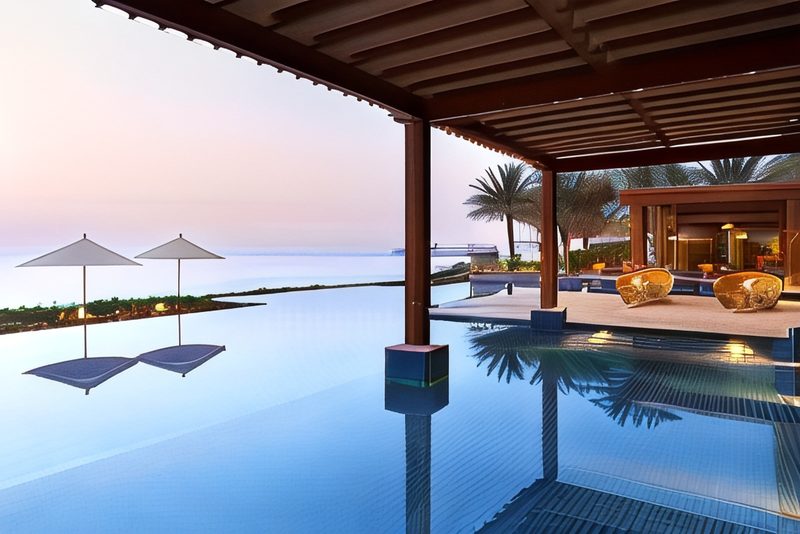
Where to Stay in Djibouti in March
Hand-picked hotels across price tiers for March travellers.

Packing Checklist
Bookmark this page — your progress is saved between visits
Need the full list with shopping links?
Climate-specific gear, brand recommendations, and what to leave at home.
View Djibouti Packing List →Essential Tips
Insider knowledge and common pitfalls to avoid
Insider Knowledge
The best, freshest fish in Djibouti City is not at a restaurant. Go to the port in the late afternoon when the artisanal fishing dhows come in. Buy a whole fish (like a capitaine) from the docks. Then take it to one of the simple grill houses nearby in the Quartier 1. They will clean it, grill it over charcoal with just lemon and salt, and serve it with flatbread. This costs a fraction of a restaurant price.
For a real local afternoon, skip the hotel café. Find a modest 'café de quartier' in the Ambouli neighbourhood. Order a 'café touba' (spiced coffee). Just watch. This is where the city's men gather to talk politics, sport, and business over tiny cups. The pace of life slows to a sip.
If you visit Lake Assal, ask your guide to stop at the 'source'. This is a small freshwater spring that bubbles up right at the edge of the salt pan. Locals believe its water has healing properties. The shock of tasting cool, sweet water after the saline desert air is a small, perfect moment.
Need a break from the heat? The National Museum is air-conditioned. It houses the actual fossilized remains of 'Lucy's grandmother' (Australopithecus afarensis), found in the region. It is a quiet, scholarly respite. It connects the stark landscapes you are seeing with their ancient human history.
Avoid These Mistakes
Do not underestimate the sun and wind. A breezy boat ride on the Bay of Ghoubbet can lull you into a false sense of security. This leads to a brutal sunburn. Cover up from the start.
Avoid trying to pack too many different region day-trips into a short visit. The logistics here are slow. A Lake Assal day trip takes 8-10 hours. A Ghoubbet trip is 6-7. Attempting both back-to-back is exhausting. Space them out.
Do not expect a lively, late-night street food scene. Djibouti City is not Bangkok. Dining happens early. By 10 PM, the streets are quiet aside from a few port-area spots. Plan dinner accordingly.
Ready to plan your trip to Djibouti?
Now that you've got the research covered, here's where to go next.
Explore More Activities in Djibouti
Didn't see anything interesting yet?
Browse Viator's full catalog of tours, day trips, food experiences, and private guides in Djibouti.
See All Djibouti Tours on Viator