Things to Do in Djibouti in August
August weather, activities, events & insider tips
Low Season · Budget Friendly
August Weather in Djibouti
Long-run averages for August in Djibouti
104°F (40°C)
High Temp
88°F (31°C)
Low Temp
1.0 inches (25 mm)
Rainfall
51%
Humidity
10
Sunny-Day UV
⚠ Extreme heat poses real danger. The combination of 40°C (104°F) air temperature and 51% humidity creates an effective heat index exceeding 50°C (122°F) during midday. Heat stroke is a genuine medical risk for anyone active outdoors between 10 AM and 4 PM. Carry water always. Watch for symptoms. Dizziness, nausea, and confusion signal heat exhaustion.
⚠ August brings Djibouti's brief khamsin period. Occasional hot, dry wind gusts blow sand and dust from the interior desert. These episodes are unpredictable. Visibility drops sharply for hours. Boat departures to the islands sometimes face disruption.
⚠ The UV index hits 10 on clear days. Unprotected skin burns within 15-20 minutes. Reflected UV compounds the risk. Lake Assal's white salt crust and the ocean surface bounce radiation upward. Areas under hats and chins burn too. Direct sunlight misses these spots. Protection is essential.
Making the most of August in Djibouti? Browse tours and activities in Djibouti on GetYourGuide.
Is August Right for You?
Weigh the advantages and considerations before booking
Advantages
- + Rock-bottom accommodation rates and near-empty tourist sites make August the cheapest window to experience Djibouti. Operators negotiating to fill seats means better deals on boat transfers, dive excursions, and Lake Assal day trips. You will likely have the salt flats to yourself at dawn. No other vehicles in sight.
- + The Gulf of Tadjoura's water temperature hovers around 29-30°C (84-86°F), warm enough to dive or snorkel in a rash guard alone. Visibility tends to stay strong through August. Marine life along the reefs off Moucha and Maskali islands is active without the plankton blooms that can cloud winter waters. If you came for what is under the surface, this is a surprisingly capable month.
- + Djibouti's evening social rhythm intensifies in August. After 7 PM, when the air temperature finally dips below 35°C (95°F), the waterfront corniche fills with families. The scent of charcoal-grilled lamb and cardamom-laced tea drifts from open-air restaurants in the Quartier Africain. Khat-chewing gatherings that define Djiboutian social life stretch past midnight. The heat pushes life into the cooler hours. Those cooler hours have a pulse that dry-season visitors never encounter.
- + You will have Djibouti's most dramatic landscapes to yourself. The Ghoubbet al-Kharab, the black volcanic inlet the Afar call the Devil's Cauldron, sits glassy and still. The basalt cliffs radiate stored heat like an open oven door. Lake Assal, 155 m (509 ft) below sea level and the lowest point on the African continent, burns white with salt crust against turquoise water. In August, no tour buses. No crowds. Just the landscape and the heat shimmer bending the horizon.
Considerations
- − The heat is not a minor inconvenience. It is the defining fact of an August visit. At 40°C (104°F) with 51% humidity, the heat index regularly pushes into dangerous territory. Outdoor activity between roughly 9 AM and 5 PM is inadvisable for most people. This compresses your sightseeing into two narrow windows: dawn to mid-morning, and early evening onward. Four days is enough to see the highlights specifically because you lose the middle of every day to the indoors.
- − Humidity nearly doubles from July's 30% to August's 51%, and that jump changes the character of the heat entirely. July is a dry furnace. Brutal but manageable in shade. August wraps you in a wet, heavy blanket of air that your sweat cannot evaporate through. Clothing sticks. Sleep without air conditioning is impossible. The coastal air carries a faint brine-and-diesel smell that intensifies in the humidity. You will shower twice a day minimum.
- − Many businesses and restaurants run shortened hours or close altogether in August. The expat community, French military, American personnel from Camp Lemonnier, NGO workers, thins out as leave rotations peak. Some dive operators reduce their schedules. The infrastructure is already modest. In August, it contracts further. Confirm operating hours directly before making the trip to any specific site or restaurant.
Short on time in August? See day trips around Djibouti on GetYourGuide.
Best Activities in August
Top things to do during your visit
Dawn Expedition to Lake Assal and the Afar Salt Flats
Lake Assal sits 155 m (509 ft) below sea level in the Afar Depression, making it the lowest point on the African continent and one of the saltiest bodies of water on Earth, ten times saltier than the ocean. In August, you need to arrive at first light, around 5:30 AM, before the salt pan becomes a reflective griddle. The drive from Djibouti City takes roughly 90 minutes through volcanic desert that shifts from black basalt to ochre dust. The lake appears suddenly below a ridge, an implausible shock of turquoise against white crystal. The salt crust crunches underfoot like walking on frozen snow. If you wade in, the water holds you up like a hand pressing your back. Afar salt traders still work the flats in the early hours, chipping blocks by hand the same way they have for centuries. The rhythmic tap of their tools is the only sound besides wind. By 9 AM the ground temperature can exceed 60°C (140°F). This is emphatically a sunrise activity. The return route typically passes through the Ghoubbet, where volcanic black shores drop into dark water, the geological violence of the Afar rift made visible.
Booking Tip: Book through a licensed operator at least a week in advance. Confirm that the departure time is pre-dawn. Any tour leaving after 6 AM in August is poorly planned. Vehicles should be 4x4 with functioning air conditioning and sufficient water for all passengers. See current tour options in the booking section below.
Moucha and Maskali Island Snorkeling and Reef Diving
The twin islands of Moucha and Maskali sit in the Gulf of Tadjoura about 30 minutes by boat from Djibouti City's port. They are the single best reason to visit in August. The water at 29-30°C (84-86°F) is warm enough that a rash guard is all you need. August visibility tends to run 15-20 m (49-66 ft) on a calm day. The coral gardens off Moucha's southern shore drop from waist-deep shallows into walls of hard coral where parrotfish, moray eels, and Napoleon wrasse move through without concern. Low tourist traffic in August means the marine life is noticeably less skittish than during peak season. Maskali's reef is shallower and calmer, suited to less experienced snorkelers. The islands themselves are small, scrubby, and hot. There is no shade infrastructure. The water is the point. Pack your own food and plenty of water. There are no facilities. The boat ride out, with the Goda Mountains rising brown and hazy behind you and the islands low on the horizon ahead, has a quality of crossing into empty space.
Booking Tip: Arrange boat transfers through operators based at the old port. Book at least five days ahead in August since not all captains run daily during low season. Insist on a vessel with a sun canopy. The crossing with no shade at midday is punishing. Confirm that snorkel gear is included and in serviceable condition, or bring your own. Check the booking section below for current options.
Evening Food Walk Through the Quartier Africain
Djibouti City's food happens after dark. By 7 PM, when the air cools just enough to stand outside without feeling assaulted, the streets around the Quartier Africain transform. Charcoal grills materialize on the sidewalks. The smell is lamb fat hitting coals, cumin, and the sharp green scent of fresh coriander. The dish you want first is fah-fah, a goat soup thickened with flour, heavy on black pepper and turmeric, served scalding hot despite the weather because Djiboutians believe hot food cools you down. They might be right. Lahoh, the spongy fermented pancake made from sorghum flour, appears at every table, torn by hand and used to scoop stews or simply dipped in ghee and sugar for a late-night snack. The French colonial legacy shows up as baguettes stuffed with spiced tuna at hole-in-the-wall counters, and cafes along the waterfront serve espresso that could rival anything in southern Italy. Djibouti's coffee culture, inherited from its position on the old trade routes, is underrated. The khat arrives by truck from Ethiopia every afternoon, and by evening the social chewing sessions in open-air cafes give the city its particular nocturnal rhythm: long, slow, conversational, fueled by mild stimulant and sweet tea.
Booking Tip: No booking necessary. This is a walk-and-eat experience best done independently or with a local contact. If you prefer a guided introduction, arrange a local food-focused guide through your accommodation or a licensed city tour operator. See the booking section below for guided options that include evening food stops.
Gulf of Tadjoura Dive Excursions
The Gulf of Tadjoura is Djibouti's premier dive territory, and August, for all its surface brutality, delivers solid underwater conditions. Water temperatures sit at 29-30°C (84-86°F), currents tend to be manageable at established sites, and the absence of the whale shark crowds that descend from November through February means dive boats run lighter and operators are more flexible with site selection. The Ras Bir lighthouse drop-off is a vertical wall dive where the reef plunges from 5 m (16 ft) to beyond 40 m (131 ft), and the coral coverage is dense. Brain corals the size of car hoods. Forests of soft coral swaying in the mild current. Schools of fusilier and jackfish moving in shifting silver walls. Night dives reveal a different ecosystem entirely: basket stars unfurling, lionfish hunting along the reef edge, and the bioluminescence that flares when you wave your hand through the dark water. The topside heat makes the cool of the deeper water at 25-26°C (77-79°F) feel like relief rather than cold. August is not whale shark season. That window runs roughly November to February. Adjust expectations accordingly.
Booking Tip: Book with PADI or CMAS certified dive operators, confirming equipment condition and safety protocols before committing. Reserve at least a week ahead in August as reduced staffing means limited daily capacity. Multi-dive packages tend to offer better value during low season. Check the booking section below for current dive operators and excursions.
Sunrise at Khor Ambado Beach
Khor Ambado sits about 15 km (9.3 miles) from Djibouti City, a crescent of sand between volcanic headlands where the water is calm enough for swimming most of the year. In August, the only viable hours are sunrise to about 9 AM, but those hours are worth the early alarm. The sand is still cool enough to walk barefoot, the Gulf of Tadjoura catches the early light in bands of silver and pale green, and the beach is occupied mostly by local families and a handful of fishermen hauling in overnight catches. The water is bathtub-warm and clear to the sandy bottom. After 9 AM the black volcanic rock flanking the beach begins storing heat that radiates back through the afternoon, turning the cove into something closer to a convection oven. Bring everything you need. Shade structure, water, food. Facilities at Khor Ambado range from minimal to absent depending on the season. The drive from the city passes through desert scrub where you might spot a few Soemmerring's gazelle at dawn, small and quick against the grey-brown terrain.
Booking Tip: No formal booking required. Arrange private transport through your accommodation the evening before, requesting a 5 AM departure to arrive at first light. Some operators bundle Khor Ambado with a Lake Assal day trip as an early-morning stop. Check the booking section below for combination tours that include beach time.
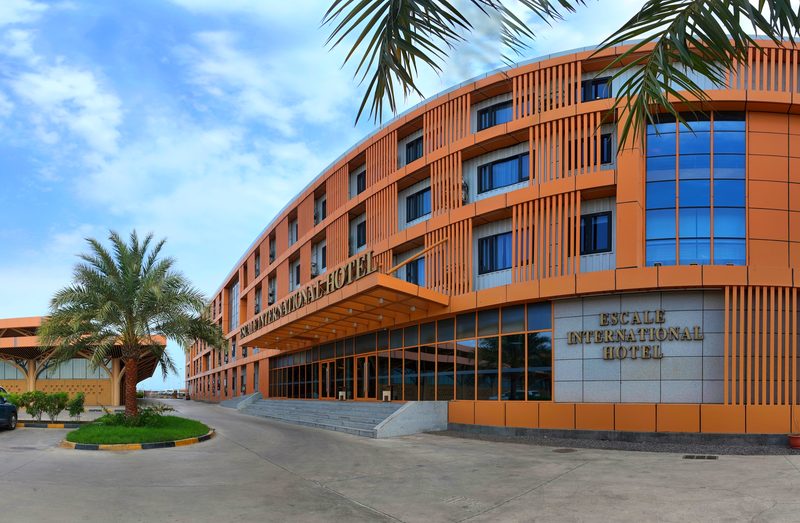
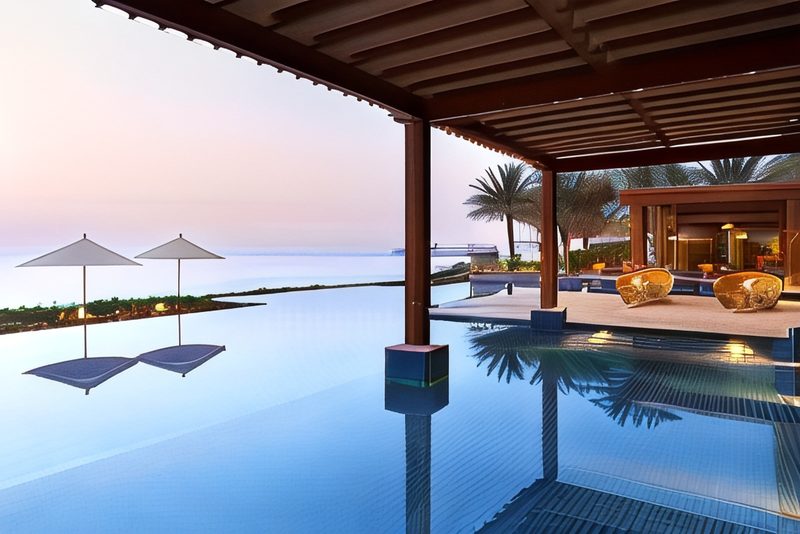
Where to Stay in Djibouti in August
Hand-picked hotels across price tiers for August travellers.
Packing Checklist
Bookmark this page — your progress is saved between visits
Need the full list with shopping links?
Climate-specific gear, brand recommendations, and what to leave at home.
View Djibouti Packing List →Essential Tips
Insider knowledge and common pitfalls to avoid
Insider Knowledge
Djibouti's heat is not Bangkok heat. It is not Dubai heat. It is something else entirely. The city sits where the Afar Depression meets the Gulf of Tadjoura, a pressure cooker where superheated desert air collides with humid maritime air. In August, humidity spikes from July's dry 30% to a clinging 51%. The heat index can feel 10-15 degrees above the actual reading. Locals structure their day around this. Work from 6 to 11 AM. Retreat indoors until 4 PM. Emerge for evening. Follow their rhythm. Do not maximize daylight hours.
The khat economy shapes Djibouti's afternoons in ways that disorient newcomers. Every afternoon, trucks arrive from Ethiopia carrying bundles of the mild stimulant leaf. By 2 PM, much of the male population gathers in chewing circles, talking for hours over sweet tea. This is the country's primary social institution. Not a curiosity. If invited to join, accept. It is an honor. It is the fastest way to hear real stories. The effect is mild, roughly equivalent to strong coffee. The ritual matters more than the leaf.
Djibouti is safe for visitors, including solo travelers. This surprises people who see Somalia and Eritrea on the map. French, American, Japanese, Chinese, and other militaries maintain bases here. That security infrastructure extends beyond the bases themselves. Petty crime exists. Violent crime against tourists is exceptionally rare. The caveat is border regions. Do not travel near the Eritrean or Somali borders without official guidance. The Afar Depression interior requires a guide and proper vehicle. Not for security reasons. The terrain kills faster than any human threat.
With four days in August, prioritize this sequence. Day one: arrive, recover in air conditioning through afternoon, then walk the Quartier Africain for dinner after dark. Day two: pre-dawn departure for Lake Assal and Ghoubbet, return by 10 AM, spend afternoon diving or at your pool. Day three: morning boat to Moucha Island for snorkeling, return by early afternoon. Day four: sunrise at Khor Ambado beach, then explore Place du 27 Juin and the Central Market before departure. Everything that matters happens before 10 AM or after 6 PM.
Avoid These Mistakes
Never schedule outdoor excursions for midday. Knowing that 40°C (104°F) is hot is not the same as feeling what 40°C with 51% humidity does to your body. First-time visitors routinely underestimate this. They attempt midday sightseeing. They lose the following day to heat exhaustion. Every worthwhile outdoor activity in August starts at or before sunrise. No exceptions.
Do not expect whale sharks. The Gulf of Tadjoura's whale shark season runs roughly November through February. August falls well outside that window. Combo tours bundling Lake Assal with whale shark excursions are marketed year-round. August arrivals will not find whale sharks. If whale sharks are your primary reason for visiting, come in December or January instead.
Never underestimate water needs. In August's heat and humidity, you lose fluid at a rate that feels abstract until you feel dizzy, nauseated, or confused. Standard advice to 'drink plenty of water' is insufficient here. You need four to five liters minimum daily, supplemented with electrolytes. Drink before you feel thirsty. By the time thirst registers, you are already meaningfully dehydrated.
Ready to plan your trip to Djibouti?
Now that you've got the research covered, here's where to go next.
Explore More Activities in Djibouti
Didn't see anything interesting yet?
Browse Viator's full catalog of tours, day trips, food experiences, and private guides in Djibouti.
See All Djibouti Tours on Viator