Things to Do in Djibouti in January
January weather, activities, events & insider tips
Shoulder Season · Good Value
January Weather in Djibouti
Long-run averages for January in Djibouti
82°F (28°C)
High Temp
73°F (23°C)
Low Temp
0.5 inches (13 mm)
Rainfall
68%
Humidity
9
Sunny-Day UV
⚠ Very high UV on sunny days: use sunscreen and seek shade at midday
Making the most of January in Djibouti? Browse tours and activities in Djibouti on GetYourGuide.
Is January Right for You?
Weigh the advantages and considerations before booking
Advantages
- + January delivers Djibouti's most forgiving weather. The heat hasn't clamped down yet. By May, it becomes a vise. Now, humidity feels like a warm blanket. Not a wet towel.
- + Red Sea visibility peaks now. Diving and snorkeling conditions are crystalline. Expect 30 meters (98 feet) or more. Water temperatures hover around 26°C (79°F). You can stay in for hours.
- + Whale shark season winds down in the Gulf of Tadjoura. January still gives you a decent shot. The gentle giants typically disperse by February. Book now.
- + Lake Assal sits at 155 meters (509 feet) below sea level. It's Africa's lowest point. In January, you get it mostly to yourself. The blinding white salt crust stays cool enough to walk on. No scorched feet.
Considerations
- − This is the calm before the storm. European charter flights haven't saturated the place yet. Hotel availability starts tightening by late January. High season gears up. Book early.
- − The northeasterly khamsin wind kicks up without warning. Afternoons are most vulnerable. Fine dust turns the sky ochre. Photography becomes a challenge. Pack protection.
- − Smaller, family-run operations in the interior may still run reduced schedules. Holiday lag persists. Confirm tours to the Day Forest or Goda Mountains in advance. Don't assume availability.
Short on time in January? See day trips around Djibouti on GetYourGuide.
Best Activities in January
Top things to do during your visit
Lake Assal Day Excursions
January is arguably the only month when Lake Assal isn't pure endurance. The air stays merely warm. Not searing. The blinding white salt pan, Africa's largest salt reserve, feels firm underfoot. The aquamarine water against chalk-white shore and black lava fields delivers a visual shock. You need to see this to believe it. The drive through the Grand Bara desert is bearable now. Dust stays manageable. It's a full-day commitment. The otherworldly silence breaks only when salt crunches under your boots. Worth it.
Booking Tip: Book at least a week ahead. Use a licensed operator with 4x4 vehicles. The track is rough. Ensure your tour includes the viewpoint over Ghoubbet al-Kharab. Ample water is non-negotiable. See current tour options in the booking section below.
Gulf of Tadjoura Whale Shark & Snorkeling Tours
Gulf waters still hold warmth that attracts plankton. Whale sharks follow. Peak season is November-December. January still offers very good odds. The sea lies flat-calm. Sun angle is good for spotting spotted backs from the boat. Beyond the giants, coral reefs off the Seven Brothers islands teem with life. You'll hear parrotfish crackling through coral. Clouds of anthias fish flash electric blue and yellow. Deeper water upwellings bring surprising chill. Salt lingers on your lips for hours. It's a full marine day.
Booking Tip: Choose smaller boat operators. Personal experience beats crowds. Large groups spook the animals. Tours need certified marine guides. Strict no-touch, no-approach rules must be enforced. Book 10-14 days ahead for best selection. Check the widget for live availability.
Moucha Island Day Trips
Moucha Island feels like a reward in January. Not survival. The short boat ride from Djibouti City runs smooth. Crushed coral beaches are pleasant. Lounging is possible. Shore snorkeling is shockingly good for such easy access. Brain corals loom the size of cars. Clownfish dart through anemones. The single, ramshackle restaurant grills the day's catch over charcoal. The smell mingles with salty air and sunscreen. Djibouti's beach day is refreshingly simple.
Booking Tip: Book a day or two ahead from the port area. Verify safety equipment on board. Confirm the price includes the modest landing fee. Mid-week trips run quieter. Plan accordingly.
Djibouti City Central Market & Hamoudi Mosque Exploration
Djibouti City is tolerable in January. You can wander the Central Market's labyrinth without feeling faint. Sensory overload is the point. Frankincense burns sharp and clean. Overripe mangoes smell sticky-sweet. Ethiopian coffee beans feel rough sifting through your fingers. Negotiation hums in Somali, Afar, and French. Hamoudi Mosque, with its striped minaret, offers calm counterpoint. Practice 'farniente' at a streetside café. Sip sweet tea. Watch African and Arab life fuse. This is the time.
Booking Tip: No booking needed. Arrive before 10 AM. Light stays soft. The market stays active, not overwhelmed. Dress modestly. Wear closed-toe shoes you don't mind getting dusty.
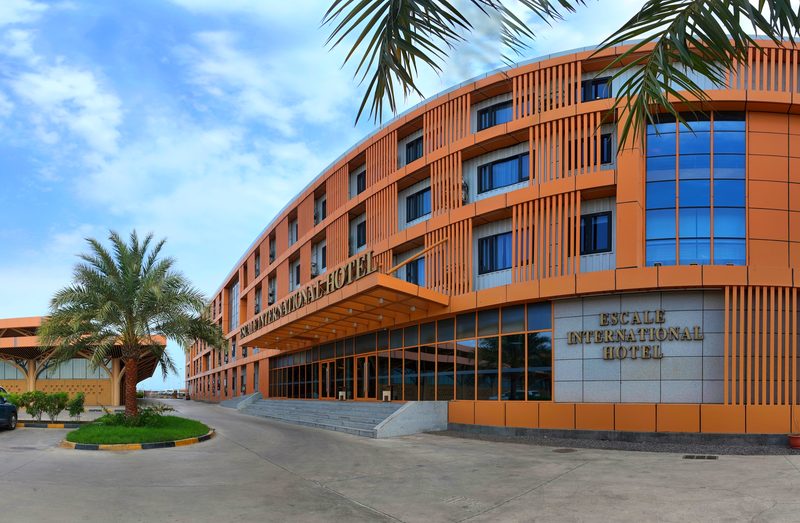
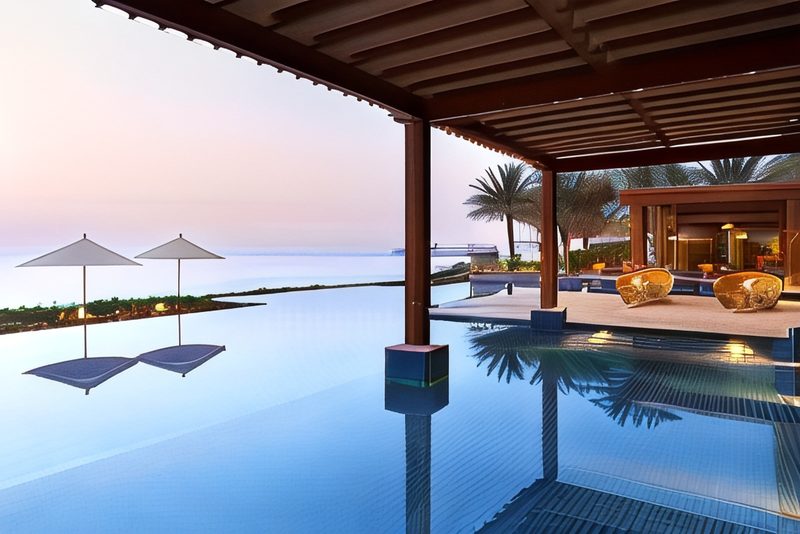
Where to Stay in Djibouti in January
Hand-picked hotels across price tiers for January travellers.
Public Holidays in January
Dates that affect opening hours, transport and crowds
New Year's Day
Observed nationwide as a public holiday.
New Year's Day
Observed nationwide as a public holiday.
Packing Checklist
Bookmark this page — your progress is saved between visits
Need the full list with shopping links?
Climate-specific gear, brand recommendations, and what to leave at home.
View Djibouti Packing List →Essential Tips
Insider knowledge and common pitfalls to avoid
Insider Knowledge
The best local experience is not a tour. It is an evening along the Plateau du Serpent. Families and friends gather at sunset with thermoses of tea. They watch the lights of Djibouti City flicker on below. Join them quietly. It is a moment of shared, wordless appreciation.
Skip the generic hotel breakfast if you can. Head to the Ethiopian-run cafes around the market area just after dawn. The real wake-up call awaits: the thick, pungent aroma of freshly roasted and brewed Ethiopian coffee. It arrives in tiny cups, alongside spongy injera. Start here.
If a tour operator has a combined Lake Assal and Ghoubbet al-Kharab trip, take it. The geological whiplash is worth it. You go from the continent's lowest, driest point to a volcanic, shark-filled bay in one day. This is Djibouti's unique selling proposition.
Cash, in small Euro or US Dollar bills, is still king. Use it for market purchases, taxi fares, and tipping boat crews. Cards work at larger hotels. That crisp $5 bill will get you further and faster everywhere else. Carry plenty.
Avoid These Mistakes
Do not underestimate the sun and wind. Even on a cloudy day, the UV radiation is intense. The wind can dehydrate you without you noticing. Reapply sunscreen every two hours. Drink water constantly. No exceptions.
Do not try to pack too much into one day. Distances are short on a map. Travel is slow on rough tracks. A trip to Lake Assal is a full 8-10 hour day. A whale shark tour is another full day. Pace yourself.
Do not expect a typical beach holiday. Djibouti's beauty is stark, rugged, and geological. The beaches are often rocky. The sea is for exploring beneath the surface. The real attractions require a bit of effort to reach. Embrace this.
Ready to plan your trip to Djibouti?
Now that you've got the research covered, here's where to go next.
Explore More Activities in Djibouti
Didn't see anything interesting yet?
Browse Viator's full catalog of tours, day trips, food experiences, and private guides in Djibouti.
See All Djibouti Tours on Viator