Grand Bara Desert, Djibouti - Things to Do in Grand Bara Desert

Things to Do in Grand Bara Desert

Grand Bara Desert, Djibouti - Complete Travel Guide

Grand Bara Desert stretches like a moonscape of cracked white clay and volcanic black stones, where the horizon shimmers with heat mirages that might trick you into seeing phantom lakes. You'll hear the desert before you see it. The wind whistles through acacia thorns, creating an eerie flute-like sound that local Afar herders call 'the singing sands'. The air smells of hot mineral dust and distant salt flats. Midday temperatures make your skin feel like it's being gently ironed. Night brings a different Grand Bara entirely. The clay pan cools to an almost ceramic smoothness underfoot. You'll taste mineral freshness in air so clear that stars seem close enough to touch.

Top Things to Do in Grand Bara Desert

4WD clay pan racing

The hard-packed white clay creates perfect conditions for sliding a Land Cruiser sideways at improbable angles, sending up rooster tails of pale dust that hang in the still air. You'll feel the vehicle's tires grip then release in controlled skids. Your driver laughs at your white-knuckled grip on the grab handles.

Booking Tip: Most drivers base their rates on how many donuts they can coax you into. Negotiate upfront rather than paying per slide. Insist on a test of their CB radio before leaving Arta.

Camel salt caravan experience

Join Afar herders moving camels loaded with hand-chipped salt blocks across the desert's western edge, where you'll smell the animals' dusty fur mixed with sharp saline crystals. The camels' padded feet make surprisingly soft thuds on the clay. Their bells create a melancholic rhythm against the vast silence.

Booking Tip: These caravans leave before dawn from the village of Damerjog. Arrive the night before. Accept any offer of bitter coffee, it's how drivers gauge whether you're serious about the journey.

Desert kite photography

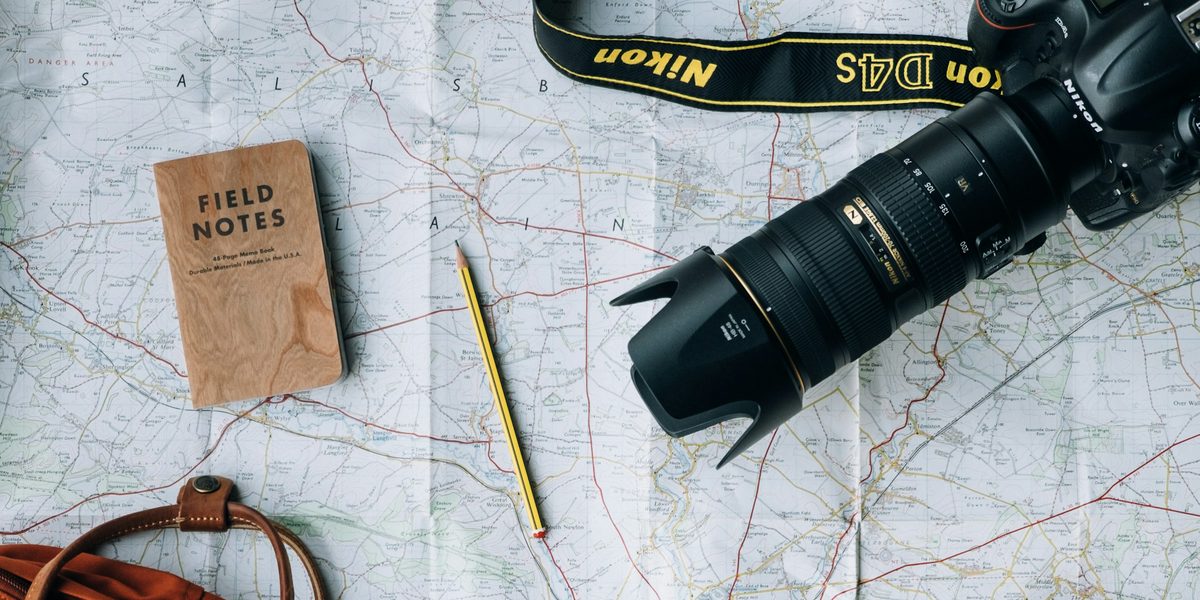
Bring a simple kite to capture aerial shots of the desert's patterns. From above, the cracked clay looks like prehistoric pottery shards arranged by giants. The steady afternoon thermal lifts your kite easily. You frame shots of black volcanic intrusions that create striking contrasts against white mineral deposits.

Booking Tip: Morning light works better but afternoon thermals are more reliable. Serious photographers bring two kites. The desert will eat your first one when you crash learning wind patterns.

Afar campfire bread making

Watch Afar women slap dough between their palms before pressing it onto hot stones buried in sand, creating flatbread that tastes faintly of smoke and desert herbs. You'll feel the intense heat radiating from stones that have absorbed day's worth of sun. Yeast scents mingle with acacia wood smoke.

Booking Tip: This happens spontaneously when you camp. Bring small packets of good coffee as gifts. Don't offer money since it changes the dynamic from hospitality to performance.

Star dune camping

Sleep on the only real dunes at Grand Bara's southern fringe where sand squeaks under your sleeping pad and night winds carry the distant bray of herders' camels. You'll wake to find your tent covered in fine white dust that tastes mineral-sharp when you lick your lips. The morning sun turns the clay pan into a mirror of reflected light.

Booking Tip: The dune area is smaller than you'd expect. Ask specifically for 'the singing dunes'. Some operators camp on flat clay and call it desert camping despite zero sand.

Getting There

Shared taxis leave Djibout's central market when full, typically mid-morning, dropping you at Arta's dusty roundabout where 4WDs gather like mechanical vultures. The road south starts paved but dissolves into washboard gravel after Damerjog. You'll feel every corrugation through your spine while acacia branches scrape your vehicle's sides. Private drivers charge roughly double government bus rates but will stop when you spot gazelle or want photos of the desert's edge approaching like a white ocean.

Getting Around

Once in Grand Bara, you're walking or riding. The clay pan's too fragile for random off-roading and local herders get territorial about tire tracks near grazing areas. Most visitors base themselves from Arta where shared trucks leave at dawn for different desert access points, charging negotiable rates based on how far you want to penetrate the pan. Bring a compass since the white clay reflects GPS signals poorly. Don't trust your phone's magnetometer. The desert has enough iron deposits to send bearings haywire.

Where to Stay

Arta's guesthouses occupy former French military buildings with thick walls that stay surprisingly cool, though shared bathrooms mean you'll queue for tepid showers.

Damerjog's campement run by Afar families offers basic rooms near the desert's western approach, where you'll fall asleep to camel bells and generator hum.

Mobile camps set up on the clay pan itself. Operators typically provide thick rugs and mosquito nets but you'll still wake with desert dust in your hair.

Ali Sabieh has better hotels but means a 45-minute dawn drive to reach good desert access points.

Budget travelers sleep on Arta's mosque veranda. The imam charges a small fee and you'll share with truck drivers who snore spectacularly.

Luxury tented camps appear seasonally near the singing dunes, bringing proper beds and cold drinks but at prices that'll make you wince.

Food & Dining

Arta's main street hosts three basic restaurants where you'll find the same trio of dishes. Salty goat stew, spaghetti with spicy tomato sauce, and grilled fish that tastes of charcoal and Red Sea salt. The best food appears spontaneously when herders slaughter a goat. They'll sell you fresh liver grilled on acacia coals, served with thin bread and bitter coffee that locals drink like medicine. Pack your own snacks since desert days run long and the only 'restaurant' on the clay pan is someone's cousin selling warm Fanta from a cooler.

When to Visit

November through February brings midday heat you can handle. The clay pan stops short of kiln glare. Yet nights turn sharp enough to frost your breath. March brings baby goats and migrating birds. But sand storms scour skin and gear alike. April to October is brutal. The clay throws 45°C heat back at you. Sunglasses feel important and air-con wheezes. Still, the desert's acoustic hush is yours alone.

Insider Tips

Pack a shemagh. Desert dust carries salt that will shred your lips within hours. Style is irrelevant. Protection is everything.
At midday the clay pan becomes a white blade. Photographers work first and last light when cracks throw shadows. Midday is useless.
Local drivers clock water by kilometers per jerry can. When they start counting sips, you are past the last trustworthy well.

Explore Activities in Grand Bara Desert

Didn't see anything interesting yet?

Browse Viator's full catalog of tours, day trips, food experiences, and private guides in Grand Bara Desert.

See All Grand Bara Desert Tours on Viator